


AI Support: The Hidden Dangers for Our Kids and Teens
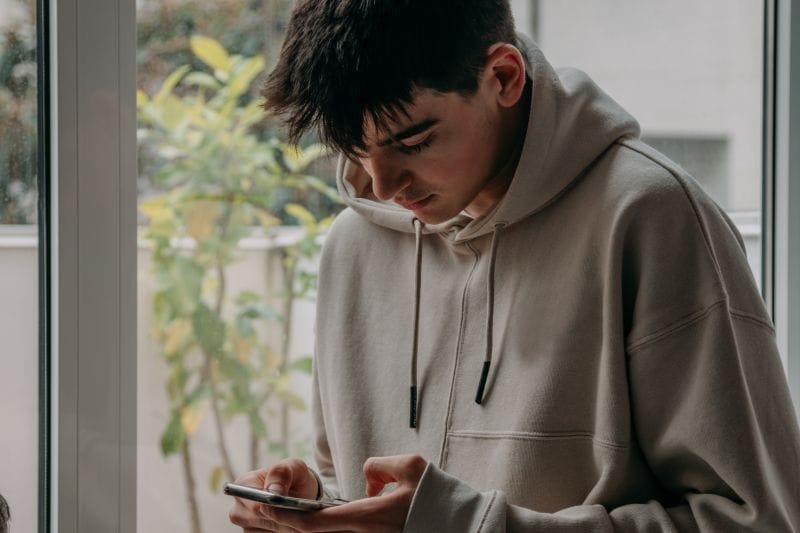
A growing number of children and teenagers are turning to AI-generated programs for advice, companionship and mental health support. They provide instant feedback and anonymity, but sometimes, the advice can be wrong — or even dangerous.
Pediatric psychologist Jennifer Katzenstein, Ph.D., weighs in on kids using AI platforms for therapeutic support.

What do you think about young people using AI chatbots for companionship and “therapy”?
People are starting to blur the lines a bit between social interaction and computer programs, and that is concerning. We all forget that as these revolutionary technologies emerge, they’re still limited in their scope. These are not trained and caring professionals or evidence-based interventions for mental health concerns.
If your child is involved in any kind of therapy, you, as the parent, need to be involved in that.
Some of the advice seems reasonable, supportive, even sound. But sometimes, it’s not. Is there a way to help a child distinguish good online advice from bad?
Helping a child learn to separate good advice from bad online is less about giving them a checklist and more about teaching critical thinking skills and staying involved in what they’re doing.
Here’s what to consider:
- Open conversations are key. Encourage kids to come to you with advice they see or hear online and talk it through together. Modeling how you yourself double-check information, by asking questions, comparing different sources or looking for expert input, shows them what good judgment looks like in real time.
- Monitoring is still important, especially for younger children. Until kids are older and more independent, parents should know what sites they’re using and what questions they’re asking online.
- Set clear expectations: online advice isn’t always safe, and even when it sounds helpful, it needs to be tested against what you know to be true. Kids who learn that “pause and check” mindset early, not believing everything they read, will carry those skills forward as they grow.
In a few cases, these AI conversations have been reportedly linked to tragic results, with young people taking their own lives.
These unfortunate events tell us that our kids are out there looking for help and very much in need of that help. We need to be talking with our kids daily and to be open to listening to them when they come forward, prepared to support and provide resources if needed.
How can parents support their child’s mental wellness?
All kids should have an open forum with their parents — to talk to them about what’s been happening and how they’re feeling. Discussing algorithms are important and how they have a built-in bias and are designed to serve up more content to our kids of what they’ve been seeking. Help your kids to understand that things coming out on these software platforms are computer-based and not human, so the information could be wrong — even damaging advice.
For more news in pediatric healthcare, visit HopkinsAllChildrens.org/Newsroom.
BIO:
Dr. Katzenstein is the director of psychology, neuropsychology and social work, and co-director of the Center for Behavioral Health at Johns Hopkins All Children’s Hospital. Dr. Katzenstein was honored for Excellence in Service and Professionalism at Johns Hopkins All Children’s Hospital in the Johns Hopkins Medicine Clinical Awards for 2020 and led a team that was honored for Clinical Collaboration and Teamwork in 2024. Previously, Dr. Katzenstein was a private practitioner and assistant professor of Neurology at Indiana University School of Medicine/Riley Hospital for Children in Indianapolis where she provided neuropsychological evaluations, consultations and academic coaching for children and adolescents. After graduating from Indiana University Purdue University Indianapolis, she completed a pediatric internship and fellowship at Texas Children's Hospital/Baylor College of Medicine.
Presented by Johns Hopkins All Children's Hospital
Related: