


Bringing Music and Opportunity to Tampa Families: A Conversation with the Gasparilla Music Foundation
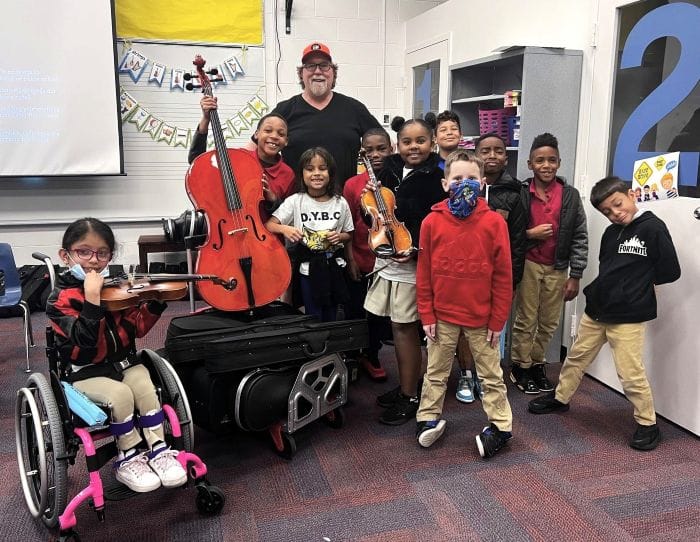
The Gasparilla Music Festival brings thousands of Tampa Bay area music lovers together for a weekend of live performances, local food, and family-friendly fun. Behind the festival is the Gasparilla Music Foundation, a nonprofit organization dedicated not only to showcasing great music but also to expanding access to music education through initiatives like the Recycled Tunes program.
Tad Denham, Recycled Tunes ambassador, spoke with Tampa Bay Parenting about why music education matters, how the Gasparilla Music Festival continues growing, and what families attending this year’s festival, April 10-12, 2026, can expect.
TBPM: What is the Gasparilla Music Foundation’s mission?
TD: Our mission is bringing live music and culture to the Tampa community. Since our first festival in 2012, we’ve worked to create a weekend-long event in downtown Tampa that highlights music from local, regional and national artists. We also showcase incredible cuisine from top local restaurants.
Creating an event that feels welcoming to families remains a priority. The festival isn’t just about music. It’s about community. Kids under 12 get into the festival free (with their parents), and we continue including activities that give younger attendees chances for interacting with music in hands-on ways.
Over the years, we’ve included a Kids Fest with activities like arts and crafts, tie-dye and an instrument petting zoo — where kids can try instruments and get a feel for what it might be like to play one themselves.
TBPM: The festival will be held in a new location this year. What prompted the move?
TD: We’re excited about the new location at Meridian Fields. There is continued development and energy moving toward the Water Street and Channel District area. That entire corridor — including the connection to Ybor City—is becoming an especially vibrant part of downtown Tampa. Meridian Fields is located near the old flour mill and train yards that supported it, and it offers a unique festival space.
We’ll have two stages within the festival grounds and a lot of activity scheduled throughout the weekend.
TBPM: What can families look forward to with Kids Fest activities?
TD: Saturday and Sunday, from noon to 3 p.m., there will be programming on the stage at Sparkman Wharf. Families can enjoy music, arts and crafts and other interactive experiences designed specifically for kids.
We’ll have performers who specialize in engaging younger audiences. Mr. Brad, one of this year’s artists, leads musical activities that get kids involved and moving. We’re also planning a kids-focused electronic dance party.
Kids Fest activities at Sparkman Wharf are free, so families can enjoy the experience and then decide whether they want to continue into the festival.
TBPM: What do you hope children take away from attending the festival?
TD: A chance to experience music in ways that spark curiosity. Maybe they pick up a violin bow for the first time or strum a guitar and realize how exciting it is to make music.
Sometimes it only takes one moment — hearing a new sound, trying an instrument, or watching a live performance — for a child to discover something they want to pursue.
Music also creates opportunities for families to spend meaningful time together, and that’s something we always hope to encourage.
TBPM: What inspired the Recycled Tunes program?
TD: After running the festival for a few years, board members were interested in discovering more direct ways of giving back to the community. There was abundant conversation about arts and music programs losing funding in schools, and we saw an opportunity to help.
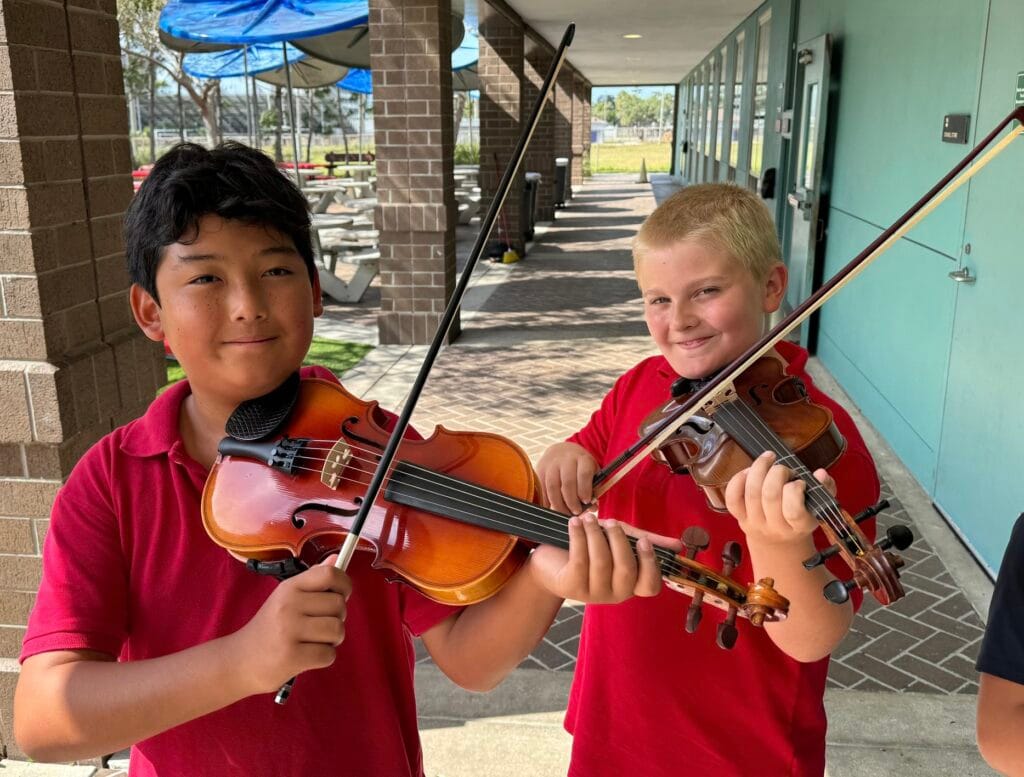
Recycled Tunes began as a simple idea: collecting instruments from the community and donating them to schools. Over time, it became a much more focused effort. We work closely with teachers and schools — particularly Title I schools that may not have strong booster organizations or parent groups to provide funding for instruments.
Our goal is filling the gap by getting instruments into classrooms so teachers can put them directly into the hands of students who might not otherwise have access to instruments.
TBPM: How does learning to play an instrument benefit kids beyond the music?
TD: It goes far beyond the joy of playing music and being part of something creative.
Music helps build confidence and relationships. It can help kids overcome shyness and provide a sense of belonging. Being part of a music program creates a sense of community for students who may not connect through sports or other activities.
There’s ample research showing that students involved in music programs often see improvements in test scores and overall brain development. Playing music helps strengthen the connection between the creative and analytical parts of the brain.
The importance of music in education isn’t a new concept. Philosophers like Aristotle, Socrates and Plato wrote about the importance of music in a well-rounded education.
TBPM: Are there any moments from your work with the Recycled Tunes program that stand out to you?
TD: Because we typically work directly with teachers, we don’t always get to see the exact moment when a student receives an instrument. But one of the most powerful parts of the program happens during our instrument drives.
People often donate instruments that have been in their family for years — sharing the stories behind them. Sometimes they arrive teary-eyed because the instrument was such an important part of either their child’s life or their own upbringing.
Seeing people choose to donate instruments with personal significance so that other children have opportunities for similar experiences is incredibly moving.
TBPM: The Recycled Tunes program has grown significantly over the years. What does its impact look like today?
TD: In the past five years, we’ve worked with 126 schools, mostly Title I schools in Hillsborough County.
During that time, we’ve donated or repaired nearly 2,800 instruments and reached more than 45,000 students. The value of the donated instruments is over $235,000, which demonstrates the community’s generosity.
We’ve also spent additional funds repairing instruments or purchasing equipment teachers need to keep their music programs running.
TBPM: How can families support the Recycled Tunes program?
TD: People can donate instruments year-round. They can visit our website and complete a donation form. From there, they can either bring the instrument to us or arrange for a pickup. We also hold instrument drives throughout the year.
TBPM: Is there a performer you’re especially excited to see at this year’s festival?
TD: I’m a bit of a rock fan, so I’m excited to see Gov’t Mule with Warren Haynes as one of our headliners on Sunday.
But discovering new music is one of the best parts of a festival like GMF. Sometimes you show up not knowing a band at all and leave with a brand-new favorite.
That’s the beauty of GMF: There’s always something new to experience.
Learn more about the 2026 Gasparial Music Festival here.
*Originally published in the April 2026 issue of Tampa Bay Parenting Magazine.