


Local mom writes instruction manual for teaching kids life skills
When some star athletes on the Plant High School football team began struggling in the classroom, the coach asked a teammate’s mother to help motivate them to bring up their grades. Andria Owen answered the call and began teaching essential life skills.
“I realized that what they needed was to learn self-control,” Owen recalls. “They needed to work hard; they needed to have a better attitude in the classroom.”
Every Monday for one hour after school, Owen gathered the entire team for life-skills lessons, including motivational speeches from guest speakers who shared their struggles. The results were dramatic.
“At the end of the first year, the principal came to me and said, “What is going on? And I was like, ‘Am I in trouble?’ and he said, ‘No, 88% of this team's GPA has gone up.’ It was all from learning to be motivated.”
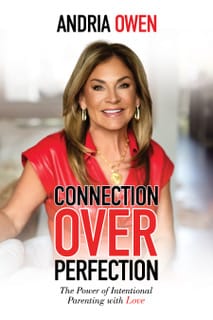
Ten years and countless success stories later, Owen started TUF Life Skills, enlisting the participation of pro athletes like Russell Wilson and Denard Span and getting the instructional program into schools and youth agencies nationwide. Owen is now sharing her lessons with parents of children ages 11 and up in a new book, “Connection Over Perfection.”
TBPM: The first part of your book is called “Build Your Brand.” Why is that a good starting point for reaching kids?
AO: Kids love talking about brands … They love talking about their Jordans or whatever it is, and then tell them, ‘Well, you’re a brand.’ the people you surround yourself with, the language you use, the way you dress, the things you're posting on social media — you’re building your personal brand whether you know it or not — and so then you can start talking about attitude and work ethic and it all fits into their brand.
TBPM: How can we, as parents, help our kids develop a good attitude and a strong work-ethic?
AO: Take it in small bites, like asking them to load the dishwasher. Their attitude goes into their work ethic. For instance, being grateful: ‘I get to help my family out. They put food on the table and so I'm going to help them out.’ And then, ‘I'm gonna do the work and I'm gonna do it the way that would make my parents happy.’
In sports, the person that's running out on the field and not just lounging around and getting out there last, that's the person that's going to catch their coach's attention. They might not be the better athlete, but the coach is going to see that their attitude and work ethic is a 10, and so they're gonna get the benefit of that.
TBPM: You give an example in your book of an Olympic athlete who had success because of his attitude and work ethic but then lost it all after making a bad decision that landed him in prison because he lacked self-control. What should we be teaching our kids about self-control, especially in the face of so many distractions and temptations?
AO: Self-control is like a muscle — the more you use it, the stronger it gets. When you have a small win with self-control, it strengthens up the muscle and it makes it easier the next time to have self-control.
TBPM: And learning to make good decisions starts by having good values, as you say in your book. Can you share some examples?
AO: If you value honesty and you find a wallet with $500 in it and the contact information of the person, you're not gonna hem and haw, like, ‘Gosh what should I do?’ If you value honesty, you're going to find that person and turn in the money. Or, if you don’t feel like going to practice and you're tired and you wanna tell the coach you're sick, if you value honesty, you're gonna do the right thing. So it makes decisions a lot easier once you know what your values are, which also gives the child confidence to know that they are in control.
TBPM: Why do you emphasize Connection Over Perfection in your book?
I'm hoping that parents won't demand perfection. They say you learn more from your losses than your wins, and kids are going to make mistakes … and for parents to not jump in there and swoop in and save them. Let them fail when they're young, so they can learn these valuable lessons, and they'll feel confident the next time they make a poor choice that they can overcome that and do it themselves.
More from Maggie Rodriguez:
A Conversation for Moms: The conversation continues in the Maggie and the Moms Podcast!