


Summer Support for Children with Dyslexia: How to Build Skills Without Burning Out
Summer can be a chance to grow confidence — not just catch up.
We’re sharing practical, realistic ways to support children with dyslexia over the break, with ideas that strengthen literacy while keeping stress low for the whole family.
Summer is finally here, bringing a much-needed break from the rigors of the school year. However, for families of students with learning differences, this season often comes with a lingering concern: the “Summer Slide.”
Academic regression is the loss of critical skills during the break, and research shows that struggling learners can lose 2.5 to 3 months of reading proficiency over these ten weeks. For students with dyslexia, this regression can be 2 to 3 times worse than for their peers, making the return to school in August feel like a “freefall”.
The Neurological Bridge
Understanding dyslexia as a neurological reality helps reframe summer engagement. Effective instruction works by building new neural pathways, but these pathways require consistent “traffic” to maintain automaticity—the ability to read or calculate without intense, exhausting effort.
When that traffic stops for two months, the pathways become less efficient. Our goal is to maintain that “traffic” through low-stress, high-interest activities.
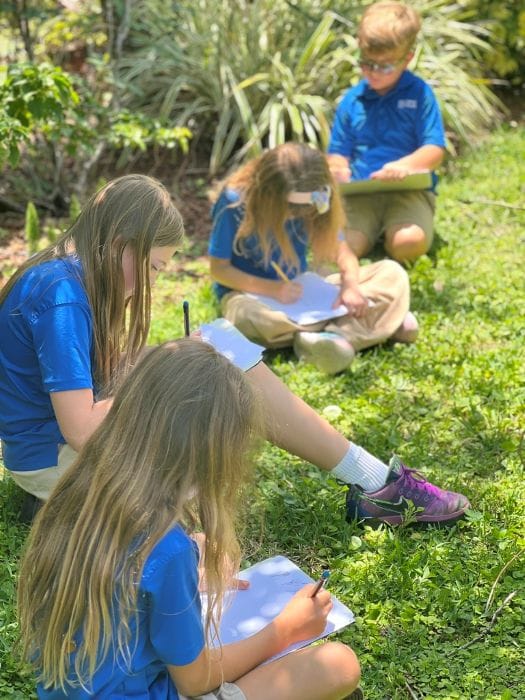
How to Support Children with Dyslexia this Summer
Reading as “Chocolate”
To build skills without burnout, we must shift the focus from “medicine” to “chocolate.” As author Mem Fox famously said, “When I say to a parent, ‘read to a child', I don't want it to sound like medicine. I want it to sound like chocolate”.
Make summer literacy pleasurable by prioritizing pleasure over pressure. Let your child choose their own materials—graphic novels, comics, and magazines are excellent for building confidence. Use the “Subtitle Hack” by turning on closed captioning while they watch their favorite shows to reinforce word recognition in a way that feels like play.
“Ear Reading” & Real-World Math
Remove the decoding barrier through “Ear Reading.” Utilizing apps like Learning Ally, Audible, Spotify, and Libby (free via your local library) allows students to enjoy complex, grade-level stories that match their intellectual curiosity without the frustration of sounding out every word.
For math, ground abstract concepts in the physical world. Use measuring cups while baking, rulers for summer DIY projects, or count change at the ice cream shop. These multisensory experiences help keep math concepts concrete and visible.
Local Incentives and Professional Support
Keep your child motivated with local rewards programs:
- Reading with the Rays: Read for 24 hours to earn two free Tampa Bay Rays tickets.
- Rowdies Score through Stories: Read 12 hours to earn two Rowdies tickets and a museum pass.
- Pizza Hut’s Book It!: Set monthly goals to earn free Personal Pan Pizzas.
If your child requires more structured support, The dePaul School for Dyslexia offers specialized summer tutoring. Our professionals use Orton-Gillingham and Multisensory Math to ensure students return in August with high re-engagement velocity, ready to resume progress within weeks rather than months.
Summer doesn't have to be a season of struggle. By keeping learning light, consistent, and functional, you are building a bridge to a successful, confident school year. Visit thedepaulschool.org to learn more about our summer offerings.
Read On for More Summer Inspiration:
- Building Confidence, Community and Careers: Tampa YMCA Summer Camps in Action
- Maggie and the Moms: What to do with your kids this summer
- Library Discovery Pass is Your Ticket to FREE Summer Fun at Local Attractions
*Presented by The dePaul School for Dyslexia