


Save a Life with Safe Sleep Habits
October is Sudden Unexpected Infant Death Awareness Month — a heartbreaking topic that everyone wishes didn’t have to exist at all.
But it does. BayCare Kids Wellness and Safety Specialist Gina Baez says that she reviews at least two cases a month of such deaths, from Hillsborough County alone. While a very tiny minority of such cases occur due to truly unexplainable causes, most of them can be traced to unsafe sleeping practices that could have been prevented.
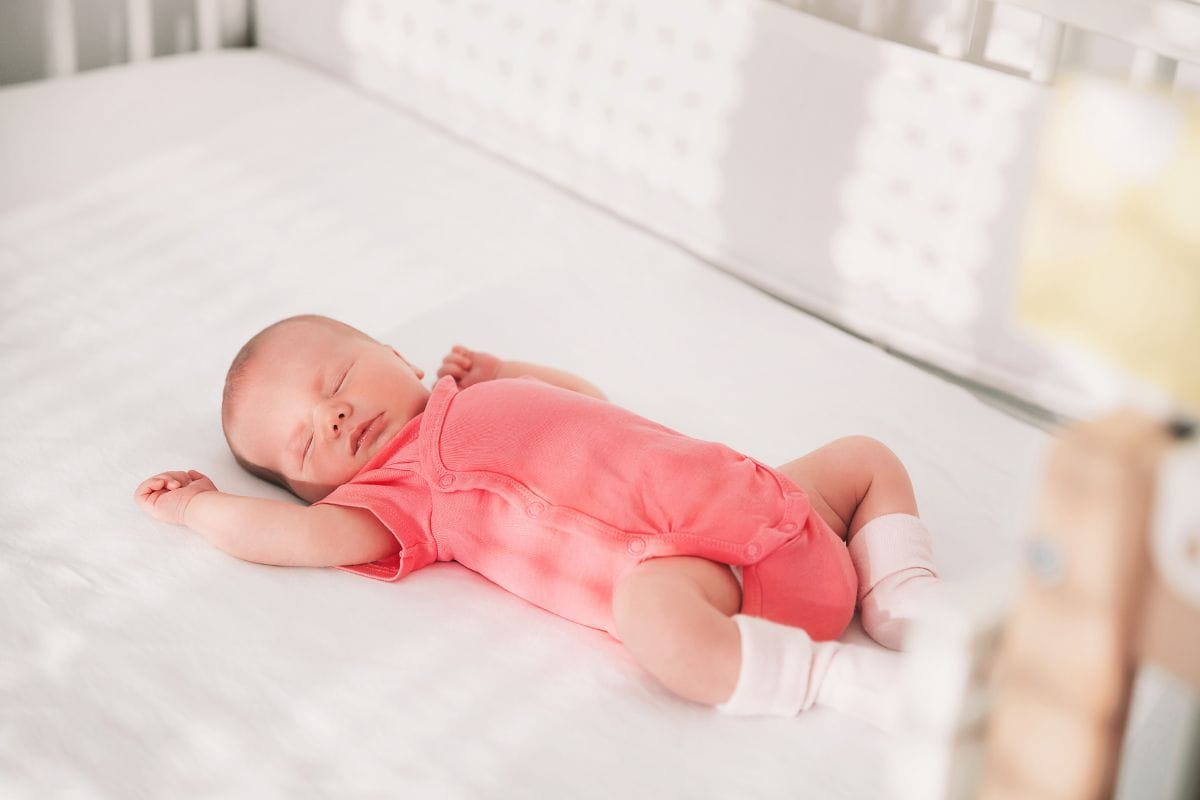
That’s why safe sleep awareness is key. Baez never tires of repeating the ABCs of safe sleep, a tip that can help save the tiniest and most vulnerable lives: Baby must sleep Alone, on their Back, in a Crib.
“We recommend room sharing, but not bed sharing,” Baez says. Baby can stay in the same room, but in a crib or bassinet by themselves. “Co-sleeping is the main cause we see of infant sleep deaths.”
Baez says that bed sharing has recently enjoyed an upsurge of popularity on social media, which paints the practice as a peaceful form of bonding without talking about potential consequences.
“You don’t need to share a bed for attachment,” she says. “You can place a bassinet next to the bed.”
The consequences of not understanding the consequences can be tragic. An exhausted adult can sleep so deeply that they roll over without realizing and smother a baby. Adults who are impaired by consuming alcohol or marijuana might sleep extra hard. An adult bed is not flat and bare like a crib — there are comforters, pillows and blankets that can suffocate a baby. Baez has seen cases of babies who died because they were wedged between a mattress and the wall.
And it’s not just mom or dad who should avoid co-sleeping. A small sibling can also be a hazard because they can roll over or wedge up against an infant. Pets and other babies should not share a sleeping area. Baez does not even recommend twin infants sharing a crib.
Cribs should be empty not only of other people or pets, but any objects that can cause a suffocation hazard. This includes stuffed animals, pillows and crib bumpers.
Another danger that can cause a baby to stop breathing is inclined sleeping. Baez explains that the American Academy of Pediatrics recently changed its recommendations to state that an infant should sleep at no more than a 10-degree incline.
“Think of the airway as a straw,” Baez explains. If it bends too much, it closes up and air cannot get through.
This problem can occur when a baby is sleeping in a bouncer or swing or is propped up on a Boppy or DockATot (with the latter presenting additional problems with its soft padded sides that can easily suffocate an infant). Another cause of an incline that is often ignored is the car seat. Once a car seat is removed from its base, it is no longer at a safe incline, and a sleeping baby should be lifted out and placed flat on his back in a crib.
Not only should safe sleep be a non-negotiable, it should be practiced during every nap and short snooze, not only at night. All caregivers should understand these instructions, including babysitters and grandparents. Baez has often observed grandparents, for example, convincing young parents to put baby to sleep on her stomach, which is unsafe. “They sleep deeper, but we don’t necessarily want them in that deep sleep,” she says. “We want them to be able to wake themselves up.”
Another lifesaving tip? Learn infant and child CPR. It could save a life.
To sign up for an infant and child CPR class have your car seat inspected for the correct incline, visit BayCare.org/Events.
Related:
New at Clearwater Marine Aquarium: BayCare Kids Check-Up Exhibit
Safety First: For Baby Safety Month, Check Out These Tips From a BayCare Kids Expert
Heartfelt Gratitude: How BayCare Physicians Perform Daily Miracles for their Tiniest Patients
Sponsored by BayCare. *Originally published in the October 2026 issue of Tampa Bay Parenting Magazine.