


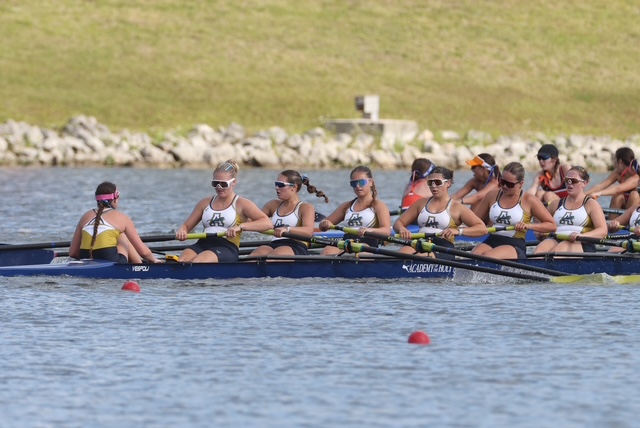
Beyond the Usual Lineup: Sports like fencing, rowing and golf can also open college doors
Picturing a path to an athletic scholarship, families may imagine packed football stadiums, travel soccer teams, or year-round baseball. For some Tampa Bay student-athletes, the right fit is found on a fencing strip, a golf course, or in an eight-person racing shell.
Those less-visible sports can create college opportunities, but the families pursuing them dispel the idea that they are easy scholarship routes. The NCAA reports that only about 2% of high school athletes receive an athletic scholarship.
Finding the Right Fit
In every sport, recruiting depends on ability, academics, persistence, and finding a program that fits.
Sports like golf, rowing, and fencing—all available across the Tampa Bay area—can offer viable paths beyond the usual lineup.
Fencing
For Jesuit High School freshman Trey Shea, the path appeared accidentally. In 2024, while the Summer Olympics played out, Trey was recovering from a football concussion.
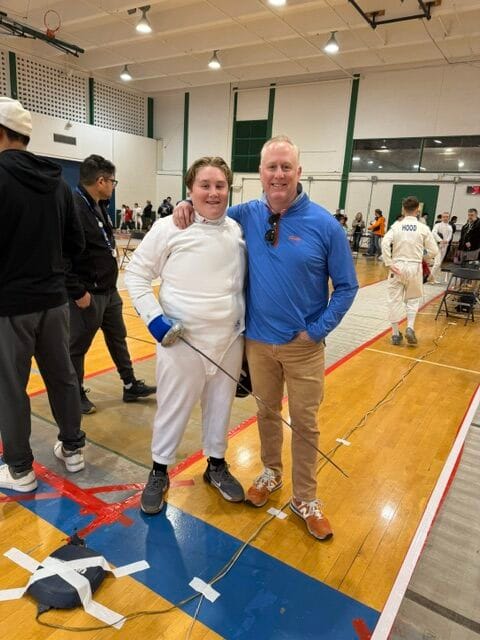
He was fascinated by Olympic fencing and captivated by the older athletes’ technique and grace. Trey encouraged his family to find a local club.
“Fencing was definitely not on our family’s bingo card,” said his mother, Erica.
At Tampa Bay Fencing Academy, Trey found both the individuality he wanted and a community he did not expect: “Fencing isn’t a solo sport. Fencing your peers in real-match scenarios is a key element. Without it, you’d have no idea how fencing opponents actually works.”
He enjoys developing his own style with the epee. “The repetitive drills have strengthened my discipline. A single warm-up may require the same motion hundreds of times, and mastering a technique means losing while learning.”
Trey is intrigued by the possibility of fencing in college, including at Notre Dame, although Erica says recruitment is not the family’s primary focus.
Trey is back on the football field and plans to resume fencing in the winter. His experience reminds us that trying something new does not always require giving something else up.
“Fencing has been the most memorable sport I have played,” Trey expressed.
Golf
Golfer Jia Bryant’s route began when her father took her to lessons through First Tee of Tampa Bay.
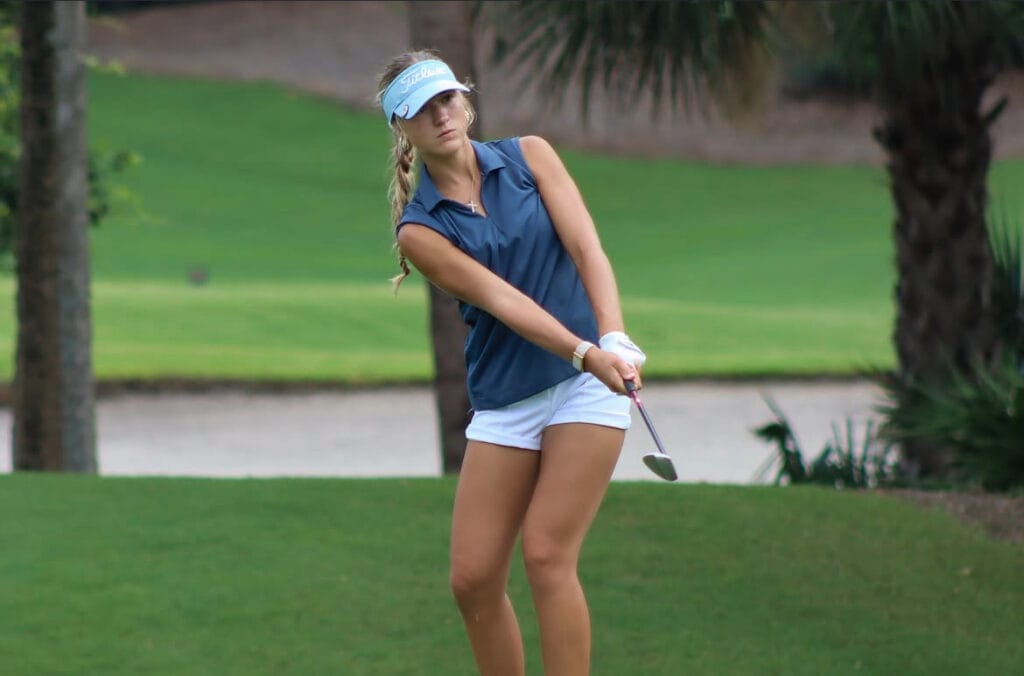
Jia’s mom, Sulein, shared Jia’s immediate love for golf: “She never looked back.”
Tournament success in middle school helped the family recognize her potential, but reaching the collegiate level required years of training, travel, and self-direction.
Jia loves golf’s individual nature: with no teammate to rescue a difficult round, she holds herself accountable. Bad shots offer lessons beyond the course: “You have to forget about it and move on. Mistakes can’t weigh us down.”
She interprets accountability as lessons in patience, perseverance, and emotional maturity.
Sulein appreciates social dimensions of tournament travel: “Jia’s made friends throughout the state and it’s fun watching teammates support each other despite how they may be competitors in college.”
Jia began contacting college coaches the summer before her junior year—emailing numerous colleges in a search for the right match. She has committed to playing at Florida Southern College.
Sulein noted: “Making it to the collegiate level has developed Jia’s discipline, confidence, and independence.
Jia views golf as a lifelong skill: “The sport may complement my planned major, business, and create professional opportunities long after college competition ends.”
Rowing
For sophomore Isabella Gagliardi, rowing offered a fresh start. When new to the Academy of the Holy Names, following encouragement from an older friend, she decided to try rowing.
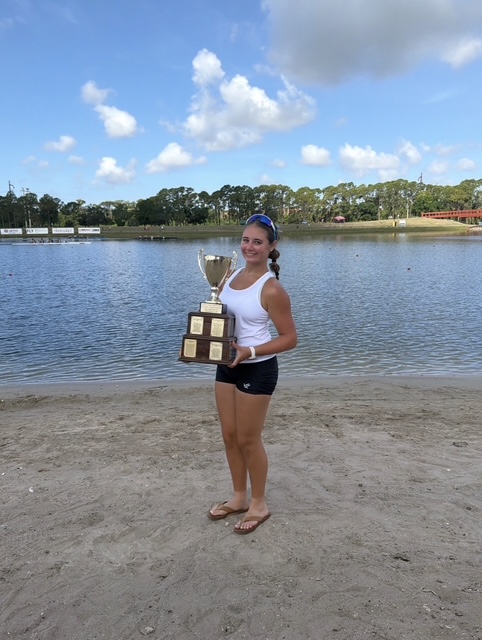
A lifelong softball player, she tried balancing both sports. Overlapping practices resulted in choosing. The rowing environment, friendships, and physical challenge won Isabella over.
The family knew little about rowing when Isabella began. Coaches explained that they would guide interested athletes through college recruiting, and older rowers were already committing to collegiate programs.
Her mom, Gabby, describes rowing as an individual sport inside a team sport: “Each athlete must improve her own performance while moving in complete sync with seven others.”
Isabella believes spectators may underestimate rowing’s mental demands: “Physical strength matters, but so does the mindset required to push through races and difficult ergometer pieces.”
Practices five days a week have taught her to manage challenging coursework more deliberately.
Gabby is enjoying the experience: “Rowing has made Isabella stronger, more confident and more independent. Travel to Tennessee regattas has deepened friendships with teammates and created lasting memories.”
Haley Sykes, a Tampa Prep graduate now at the University of Wisconsin-Madison, offers a view from the other side of recruitment.
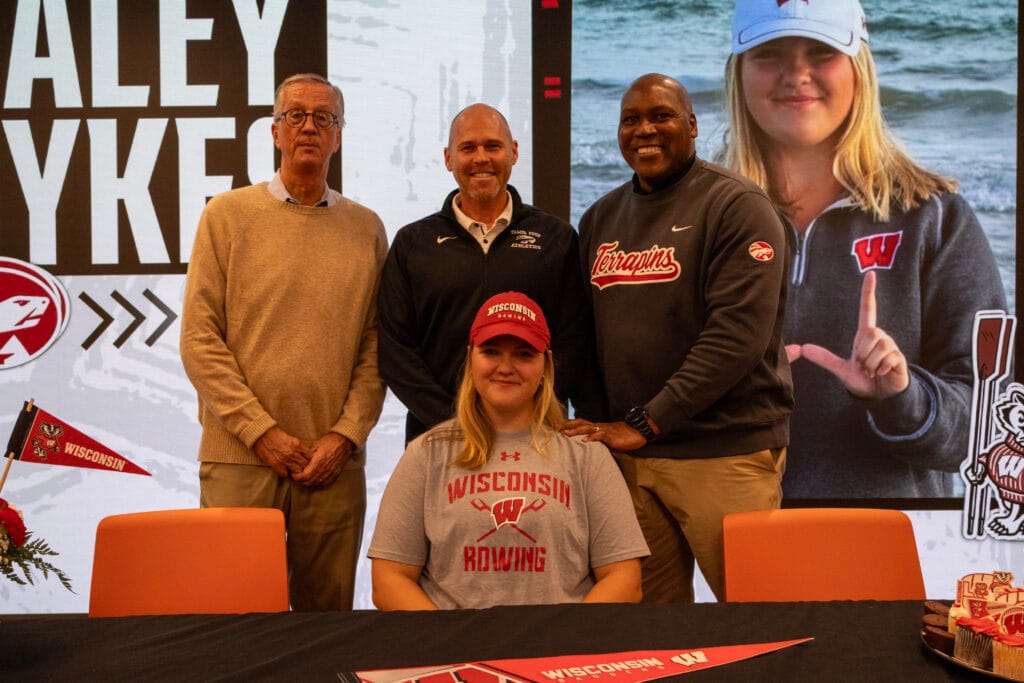
She chose rowing post volleyball, largely because friends were already on the team. College rowing became realistic after her first 2,000-meter test came in under eight minutes.
By her third, she had lowered her time to 7:35, a result that helped her begin conversations with Division I programs.
“Recruitment was a long, sometimes tiring process. I completed recruiting questionnaires and emailed coaches my statistics and points of interest about their program,” recounted Haley.
Eventually, she was speaking with one or two coaches almost daily. One piece of advice guided her final decision: choose a college you would love if you could no longer compete.
Wisconsin offered the academic program, campus culture and rowing tradition Haley wanted.
“Rowing has brought me my best friendships and continues teaching me to persevere through mental and physical strain.” Haley encourages families to look into less mainstream sports: “Sports like fencing, rowing, and golf offer opportunities for athletic development, competition, and collegiate connections that more popular sports may sometimes limit.”
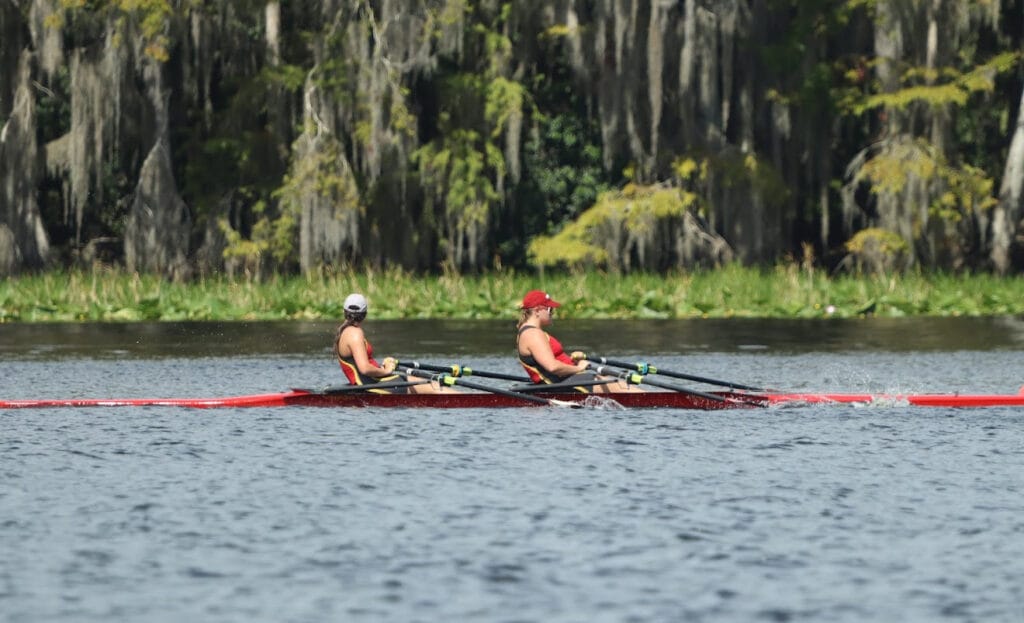
Is your child interested in trying out rowing? Consider signing them up with Team Tampa for kids in 5th grade through 12th grade. Plant High School’s Rowing Association also offers learn-to-row programs for middle schoolers.
Starting with Exploration
Across athletes’ stories, scholarship possibilities are real—though not the primary reason for choosing a sport. Long after the final competition, the friendships, confidence, and resilience athletes develop may prove to be the sport’s most enduring rewards.
Parents’ advice is remarkably consistent: let children explore. Learn-to-row programs, introductory fencing classes, and junior golf programs can make unfamiliar sports easier to try.
“Let it be their choice,” Sulein suggests; “They’ll win, they’ll lose, and they’ll figure it out.” Sometimes, in the sport no one expected, kids find growth.
*Originally published in the October 2026 issue of Tampa Bay Parenting Magazine