


Unique Ways People are Making A Difference in Tampa Bay
Tampa Bay is a special place, and while we’re known for our world-famous beaches and attractions, it’s the people who really put our community on the map. So much incredible work is happening in Tampa Bay—it’s nearly impossible to highlight everyone, but know we see you and the work you do, so thank you!
But we wanted to turn the spotlight on a few ladies who are using their unique changemaking superpowers to make a difference, whether it’s harnessing the power of social media, encouraging friendships in their school, or building brains and friendships through Mah Jongg… Together, they’re helping make Tampa Bay a community we can be proud to call home.
Combating Bullying by Building Community
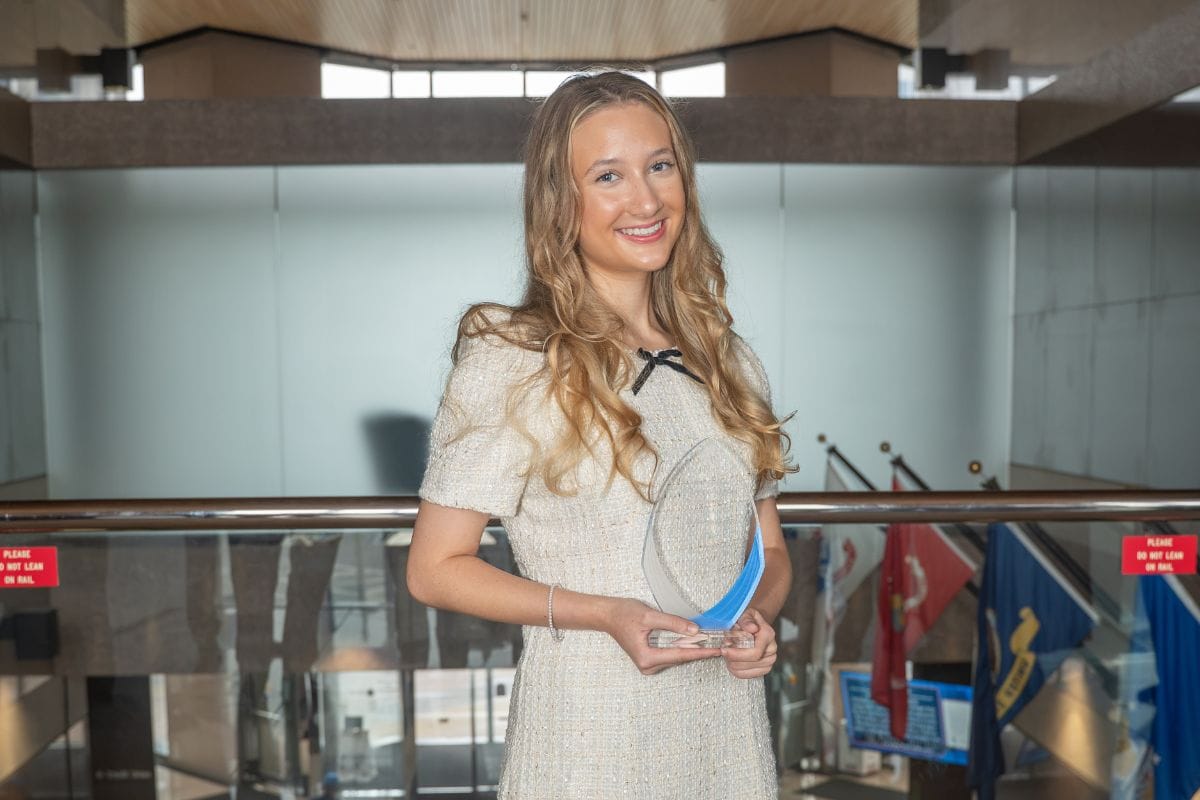
Madden Moore, senior at Plant High School in Tampa and founder of Big & Little Panther at the school, 2026 Hillsborough County Anti-Bullying Awareness Award winner (featured image)
Madden Moore understands the pain a child can endure when bullied. She experienced it herself in middle school and never wanted another child to feel that same loneliness, so as she entered high school, she made it her mission to connect with her fellow students in a meaningful way. Even at her young age, she understood that when you build community, you build human connection and friendships.
During her junior year, she founded the “Big & Little Panther” program to ensure her classmates feel they belong and have someone to cheer them on as they begin their high school journey. Incredibly, this club, which connects upperclassmen with new students, was the first in the school’s 100-year history to attract 200+ students at its first meeting, according to the service club sponsor.
This mission, along with her other outstanding service work in our community, recently earned her the honor of being the winner of the 2026 Hillsborough County Anti-Bullying Awareness Award.
TBPM: Madden, tell us more about you and what inspired the creation of Big & Little Panther?
Madden Moore: Being an only child, I’ve always been someone who loves bringing people together, and since I’m involved in so many diverse activities and clubs at my high school, I had a unique opportunity to meet students from different backgrounds, in all grade levels. Due to my unique perspective, I was able to see potential connections within the different groups that the kids themselves couldn’t yet envision.
I was inspired to pair the younger classmen with the older classmen by my own experience as an incoming freshman! At the graduation of my eighth-grade year, I auditioned and was invited to join my high school all-girls a cappella group, “Pink Panthers.” Knowing I was already part of this group before my first day of high school even began gave me reassurance that my high school career would be a successful one. This immediate acceptance by my peers gave me confidence that changed the trajectory of my life in high school.
Once I got my footing in school and felt I was capable of helping others find their way, I set out to make a change so that the younger students didn’t feel lost in such a large school! The mission was to connect students who shared similar interests but might not otherwise have the chance to meet one another. Not only did the freshmen feel welcomed, but it also allowed for the older kids to practice their leadership skills as mentors, so the program was a win for everyone!
TBPM: Why is community building so important for a school?
Madden Moore: School environments today can be overwhelmingly stressful. Whether a student is focused on getting into the right college or finding a job after graduation, or simply trying to navigate the hallways, knowing someone is there to talk to and to connect with can change your entire attitude about your educational career.
We students spend so much time in school together; it only makes sense to invest in friendships while we’re there. Hopefully those friendships last long after graduation! When students feel connected to their school and to each other, they’re also more likely to look out for one another!
Plant High School’s motto is “Strength Through Unity,” and I wanted to help implement this ideal in the hallways of our school, but also throughout the Hillsborough County school system as well.
TBPM: How do you encourage kindness and understanding among your fellow students, and what’s your advice to a student who may be struggling to find friends or connect with others at their school?
Madden Moore: I always try to lead by example. I think it is incredibly rewarding to oneself and to others to “sprinkle kindness everywhere you go!” We had a kindness campaign at my elementary school, and the theme still resonates with me today. Kindness is cool, and it’s cool to love your school!
When I talk to kids who are struggling to find friends, I tell them not to assume they are the only ones dealing with this insecurity. Many students walk through the halls silently carrying the same burden. My advice is to always get involved in a program that interests you so you will find like-minded people.
Of course, I also encourage them to join “Big & Little Panther” because it’s a club that is geared to connect people with shared interests who aren’t already connecting through clubs. Through these authentic connections, you will find your people and thus positively shape your high school career.
TBPM: One challenge many programs face is longevity. How have you ensured this program will continue after you graduate from Plant High School?
Madden Moore: Leaving a legacy at Plant High School is exciting, but the program was designed for longevity so that future generations of Panthers would continue to feel welcomed in these hallowed halls I love so much! I put in place a leadership team of younger students who would be mentored to lead and bring in the next generation.
The “Littles” would become “Bigs” and take on new incoming freshmen as their newest “Littles,” so our family of Big & Little Panthers would be ever growing! The students who participate in the program aren’t just members; they become “family” who carry the tradition forward! It is my hope that the program will evolve yet remain an important part of the culture of the school.
Though “Big & Little Panther” may change from year to year, I would like the core values to remain its backbone: for everyone to feel connected, supported and included.
TBPM: You also volunteer with other local organizations like Tampa Mayor Youth Corps. What has that experience been like, and what would you tell other teens who are thinking about getting involved in the community?
Madden Moore: Serving on the Tampa Mayor’s Youth Corps has been an invaluable experience! I am lucky to be a part of an organization that believes in young people having an impactful voice in our community. The amazing opportunities presented to us showcase all the wonderful ways the City of Tampa helps its people.
Not only have I been able to volunteer at Feeding Tampa Bay, Trinity Café and Community Food Bank, but I’ve also been asked to partake in the city’s social media promotional videos so they can reach a greater audience. Using my social media and journalism skills, I have enjoyed working on my craft for the greater good.
My advice to all the teens interested is to apply and not wait to get involved. There are so many volunteer opportunities everywhere you look! Join an organization, attend an informational meeting, apply to serve others in a capacity that interests you! You might discover a passion you did not know you had while making the community a better place.
I would love the opportunity to continue my education at a Florida university and eventually return to this area that I love and give back to a place that has poured so much into me!
Harnessing the Power of Her Platform to Support Local Kids in the Hospital
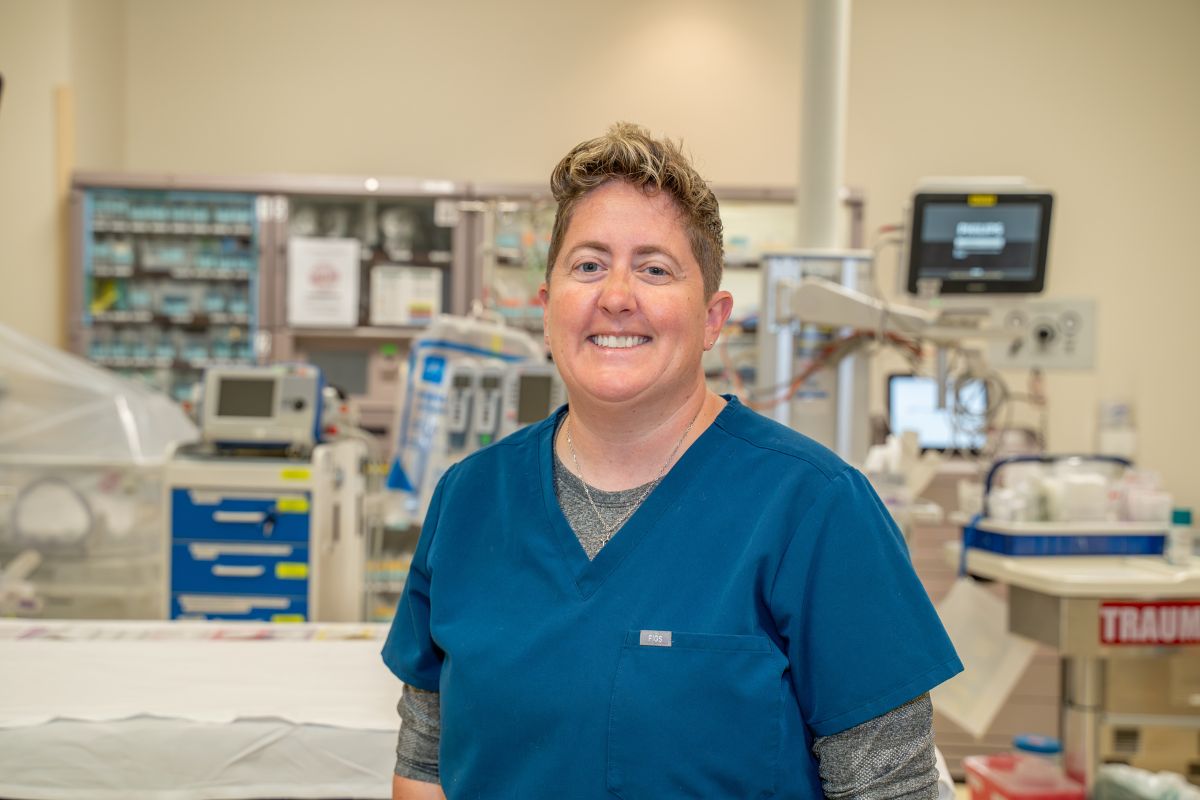
Dr. Meghan Martin, emergency medicine physician at Johns Hopkins All Children’s Hospital and social media superstar on @drbeachgem
Dr. Meghan Martin may be best known for her viral social media videos as @Drbeachgem, but we can confirm the pediatric emergency medicine physician at Johns Hopkins All Children’s Hospital is an absolute gem in real life. Her nearly 10 million social media followers haven’t gone to her head. She is as genuinely funny and relatable in person as she is online, and, quite frankly, one of the most humble and nicest people you will meet.
She could have used this newfound celebrity status to get rich quick, but instead, she is using it to make a difference in our community.
TBPM: Take us back to the beginning! How did you end up with this incredible platform on social media?
Dr. Meghan Martin: I started making content around June of 2020 during COVID, the same reason a lot of people got onto TikTok and social media: Everything shut down with the pandemic. I went from being a super busy mom — every night of the week there were events — to just sitting around looking at my kids like, “What are we doing?”
So I started making some content just for fun, and then started to see a lot of the misinformation and started making videos to address it. And my platform has just continued to grow. And now we’re over six years into this, and I’ve grown a pretty substantial platform, with over 9.5 million people across all platforms.
There really never was a goal. It was just always one day at a time, but it’s pretty wild, surreal.
TBPM: What we love so much about you is that you’ve used this platform to continue to do good in our community, and you’re still here at Johns Hopkins All Children’s Hospital saving lives and helping children.
Dr. Meghan Martin: I love my job so much. I think it would be hard to leave because I think my job gives me the authority to speak on what I speak on, and it gives me a lot of the content. I just love my job so much that leaving is out of the question.
TBPM: What inspired you to become a pediatric emergency medicine doctor?
Dr. Meghan Martin: My grandfather was a physician, so being a doctor was always in the cards. It was always something that I wanted to do. And then as I moved through all of the steps, I had confirmation that this is really cool. This is really fun. I really enjoyed pediatrics.
I think there’s a lot of hope in kids that they’re going to get better. When something is
wrong, it’s usually their parents’ fault, not their fault, because they’re just so innocent and
amazing. And then emergency medicine is just so much fun. There’s so much action and adrenaline that we’re always just moving and going, and it just really fell into my ADHD vibe. I just love it.
TBPM: Before we dive into the nonprofit you established, what’s your top advice for parents when it comes to those preventable accidents that you see here most often to keep our kids out of the emergency department?
Dr. Meghan Martin: If you can get rid of the e-bike or the e-scooter, get rid of it. A regular bike with a helmet is just fine. If they are going to be riding one of those e-bikes or e-scooters, make sure it’s not an e-moto because we’ve seen a lot of kids get tickets, and make sure that they have appropriate safety gear, including a helmet and closed-toed shoes.
I think the other really important thing, especially in Florida, is water safety. Make sure that you have multiple layers of protection between the child and the water. Pool fences that are self-locking, locks on the doors, water safety classes. We just really need to keep a really close eye on our kids when they’re around water at all times. And make sure you have a sober adult.
TBPM: With a major social media following often comes opportunities to monetize. Tell us why you decided to reinvest in our kids?
Dr. Meghan Martin: When I started making content, monetization wasn’t even an idea, and then I started creating content, and there was monetization. I felt a little guilty, and I wanted to find a way to give back in a really concrete way.
So I decided to start the nonprofit so that I’m able to give back and then use my platform to also grow that nonprofit so that other people can also give back and contribute. I chose things that meant a lot to me: pediatric readiness and keeping kids comfortable in the emergency department.
TBPM: Tell us about the nonprofit.
Dr. Meghan Martin: My nonprofit is the Dr. Beach Gem Innovation Fund, and it supports pediatric readiness. So, it helps people in the area, in the region, and other hospitals and emergency departments be ready to take care of our pediatric patients.
And also comfort in the emergency department, so making sure that we have supplies, toys, prizes, gadgets, things like a Buzzy Bee or a J-Tip, things that can make IVs more comfortable, and also supporting our Child Life staff who do an incredible job working with our families and patients.
It is a very scary time for kids to be here. The ER can be a little traumatizing. And we want to make sure that we’re maximizing comfort and also just helping patients understand what they’re going through.
TBPM: You also decided to support kids in our region, not just here at Johns Hopkins All Children’s.
Dr. Meghan Martin: Yeah. The idea of this nonprofit and the idea of everything that I do is to make sure that all kids are taken care of as best we can. Pediatric readiness is really important. The hospital that you go to, it’s important that they are prepared to take care of kids. And if they’re not, then we’ve seen the outcomes are not as good. So we want to make sure everyone in the region is ready to take care of kids with injury and illness.
TBPM: You are also helping other nonprofits.
Dr. Meghan Martin: I’m looking forward to continuing to collaborate with people in the future. We also maybe overnight raised around $161,000 for the National Pediatric Cancer Foundation. I made a video that kind of popped off a little bit, and it’s the end of September, which is Pediatric Cancer Awareness Month … I’m crying because it was just like, I wasn’t expecting it. It was such a surprise; it’s crazy.
TBPM: That’s incredible — in just 24 hours! That’s not even counting what may come in after that.
Dr. Meghan Martin: I wasn’t expecting it. It hasn’t even been 24 hours. I posted it at eight o’clock last night, and it’s popped off. I have one point something million views on Instagram, over 600,000 on TikTok. And it’s just the comments, and the people that have contributed, and then their comments are just really incredible.
TBPM: As a mom, I also love that you are educating us with science-backed research on our children’s health and even our own. But I also have appreciated your posts about being your own health advocate, and for our kids, too. Asking for a second opinion is not always a bad thing.
Dr. Meghan Martin: Yeah. I think it’s hard as a physician to advocate sometimes just because they’re my colleagues, and I try not to push too hard, but at the same time, it’s really important to make sure that we’re speaking up when it comes to our health, our kids’ health.
There are different ways to do it. And I think being assertive and asking questions like: “Why do you think that? Tell me why labs wouldn’t be indicated. Or can you tell me more about your thought process?” I think it’s important to make sure that you’re communicating the symptoms that you’re having and the timeline so that they have all the information to be able to make the decisions so that you guys are both on the same page.
I’m a physician, and I encourage my patients and other patients to get second opinions. Just because one person thinks one thing doesn’t mean it’s always the right thing. I think it’s always important to get a second opinion, especially if there’s something big like surgery or cancer or a new diagnosis.
TBPM: We could talk to you forever, but there is only so much space on this page! As you reflect on the last six years and the community you’ve been able to build, how does that make you feel?
Dr. Meghan Martin: It still feels very surreal. I don’t feel any different. I feel the same, but obviously going out into public, people recognize me, and it’s very positive — a lot of validation. They say, “I’m so grateful for you and all of the things that I’ve learned from you,” or “Hey, I saw that video about retractions, and I saw that in my kid, and I came to the ER.” It’s very humbling that people are watching me, they’re paying attention and they’re listening, but it’s also a lot of responsibility because I need to make sure we’re getting the accurate information out there.
Sharing their love of mahjong with others while supporting local families in need
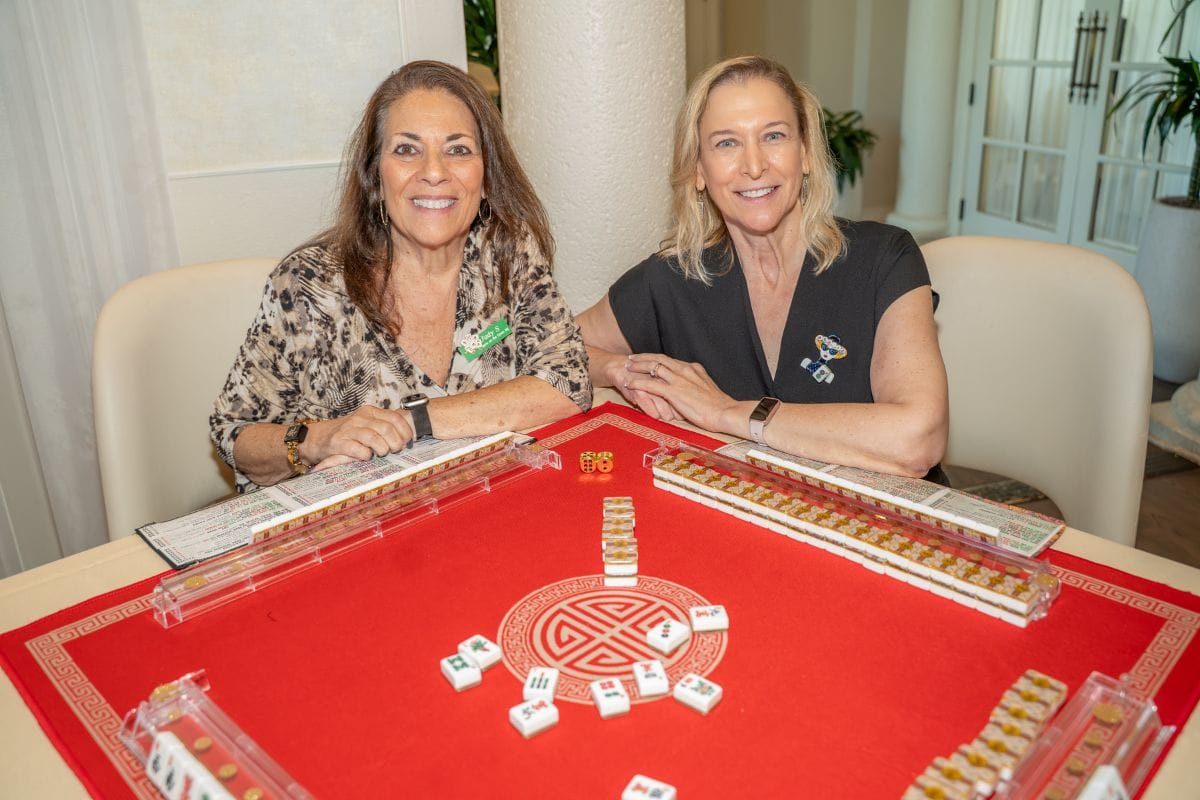
Bonnie Wise and Judy Serrapica, founders of Dragons on the Green Mah Jongg
Mah Jongg isn’t new, but it has certainly exploded in popularity in recent years, and has likely made its way into your girls’ night out. I’m not going to lie — I was a little afraid of the game and all of its rules, but when my dear friend Erin convinced me it was time to learn, she brought Bonnie Wise and Judy Serrapica of Dragons on the Green Mah Jongg into our lives to teach us the game, and now … I get it. I see why people love this game so much!
But the ladies are sharing so much more than their love of the game and passion for teaching. They don’t earn a profit teaching or hosting tournaments. When they created Dragons on the Green in 2016, they made it a nonprofit to support other nonprofits in our community. So when you pay for a lesson or tournament, you not only get to experience the magic of Mah Jongg, but you also get to feel the power of giving back!
Side note: We also want to mention that they do all of this in their free time. Bonnie Wise also serves as the Hillsborough County Administrator.
TBPM: Even though Mah Jongg isn’t a new game, how would you describe its resurgence in popularity for those unfamiliar with it?
Bonnie Wise: Mah Jonggis a four-person tile game that combines strategy, skill, a little luck and a lot of social interaction. The version we teach is American Mah Jongg, which uses jokers, racks and a National Mah Jongg League card that changes every year. Players draw and discard tiles as they work to build specific hands.
But honestly, Mah Jonggis so much more than a game. It’s a reason to get together, laugh, challenge your brain, meet new people and build friendships. And once you learn, it’s hard not to get hooked!
Judy Serrapica: Being able to identify hands and to pivot when needed is important. I would say it is similar to Rummy, where you try to match suits and runs.
TBPM: How did you first learn about the game, and what about it keeps you playing…and teaching?
Judy Serrapica: I grew up with the game as my mom, who is 89 and still plays, has been playing for as long as I can remember. What’s funny is that she didn’t teach me how to play. I sort of learned it on my own. What keeps me continuing to play is that the game changes every time you play. With all the combinations of hands that could be made, no two games are ever alike. It’s the not knowing how the game will play out and end that I always find exciting. The same goes for teaching. Seeing a student exclaim “Mah Jongg” for the first time is just as exciting for me as it is for them. I feel proud of them, and it means that I’ve done my job as an instructor.
Bonnie Wise: My mother and grandmother both played Mah Jongg with their friends when I was growing up, although they never taught me. I remember that whenever Mah Jongg was played at our house, there were certain snacks on the table — Sara Lee pound cake and M&M’s. There were probably others, but those are the ones I remember!
I eventually learned to play about 20 years ago with a group of women, and most of that group still plays together today. Over the years, we’ve been through all kinds of life events together — weddings, funerals, births, graduations and so much more. Some of us even travel together.
What keeps me playing is that it’s a game you can continue to learn and improve at. Every game is different, and there is always strategy involved.
Teaching is incredibly rewarding. I have a demanding daytime job, so teaching Mah Jongg gives me a few hours to focus on something completely different. I love introducing people to the game, watching their confidence grow and seeing friendships develop around the table.
It’s especially rewarding when students go from learning the basics to organizing their own games and joining tournaments. We’re not just teaching people how to play a game; we’re opening the door to a whole new community.
TBPM: Where did the idea for Dragons on the Green Mah Jongg come from?
Judy Serrapica: Bonnie and I met at a Mah Jongg tournament and kept running into each other at various tournaments away from Tampa, and thought that if we wanted to do tournaments in Tampa, we would have to do them ourselves, but we also wanted to give back to the community.
Mah Jongg is a very social game, and building rapport with our friends and neighbors was important to us both, but the added benefit of being a nonprofit and giving financial support to other charities that needed our help was even better.
Bonnie Wise: From the beginning, we knew we wanted philanthropy to be an important part of what we were doing. We wanted to bring people together, give them an opportunity to enjoy a game that challenges their minds, build friendships and raise money for charitable causes in our community. We applied to become a nonprofit corporation, which took some time, but it was important to us that giving back be at the heart of the organization.
The name has a fun connection to the game, too. Our first tournaments were held at golf clubs, and many still are today. Dragons are tiles used in Mah Jongg, so Dragons on the Green is our play on words, combining the game we love with the golf clubs where we hold our tournaments.
What started as a way for us to have more opportunities to play has grown into something much more meaningful. We get to share a game we love, bring people together, build friendships and give back to our community all at the same time. For us, it really is the perfect combination of Friends, Fun and Philanthropy.
TBPM: How do you decide which nonprofits to support with funds raised through teaching and tournaments?
Bonnie Wise: Judy and I select charities based on our own experiences, as well as input and suggestions from our students and tournament players. Sometimes it’s an organization we’ve learned about through our own lives, and other times someone in our Mah Jongg community brings a cause to our attention that really touches us.
It might be a local school, an organization helping families dealing with a particular disease or a cause supporting a child facing a difficult challenge. Those personal connections often make the biggest impact on us. We prefer to support local charities whenever possible because we feel we can make a more direct difference in our own community, but we also support larger national organizations when we feel strongly about their missions.
One of the wonderful things about our Mah Jongg community is how much people care about helping others. Our students and tournament players aren’t just part of the game; they help us learn about needs in the community and identify opportunities to make a difference.
TBPM: How much have you raised and given back to the community? How does that number make you feel?
Bonnie Wise: Judy and I have raised and donated more than $50,000 in monetary donations to charitable causes, but that doesn’t tell the whole story.
In addition to the money we raise, we donate Mah Jongg baskets and other Mah Jongg-related items to help charities with their own fundraising efforts. We donate class certificates for auctions and raffles, contribute our time to teaching and organizing tournaments and sometimes sponsor events to help other organizations raise money.
When we think about everything we’ve been able to contribute, we’re incredibly proud and grateful. We started with a simple idea: to create more opportunities to play Mah Jongg while giving back to our community. To see that idea grow into a community where people enjoy the game, build friendships and help others is incredibly rewarding.
TBPM: What is it like to teach people to play Mah Jongg, and what is the “aha!” moment like?
Bonnie Wise: That’s one of our favorite parts of teaching! In the beginning, Mah Jongg can feel overwhelming. There are new tiles, unfamiliar terminology and a card full of possible hands. Students sometimes wonder if they’ll ever get it. Then, all of a sudden, something clicks. They recognize a hand, understand why they should keep certain tiles or realize they can actually win a game. You can see the excitement on their faces, and that’s such a great feeling.
We also love watching what happens after class. Students start playing together, making plans, joining tournaments and introducing their friends to the game. Seeing those relationships develop is just as rewarding as seeing someone win their first hand.
TBPM: How can people learn more or find people to play with after learning?
Bonnie Wise: The easiest place to start is our website, dragonsonthegreen.org. We share information about our classes, tournaments and upcoming events. We teach beginners and also help experienced players develop their skills. Our classes give people the opportunity to learn in a welcoming environment, and our tournaments offer a fun way to practice, meet other players and become part of the Mah Jongg community.